
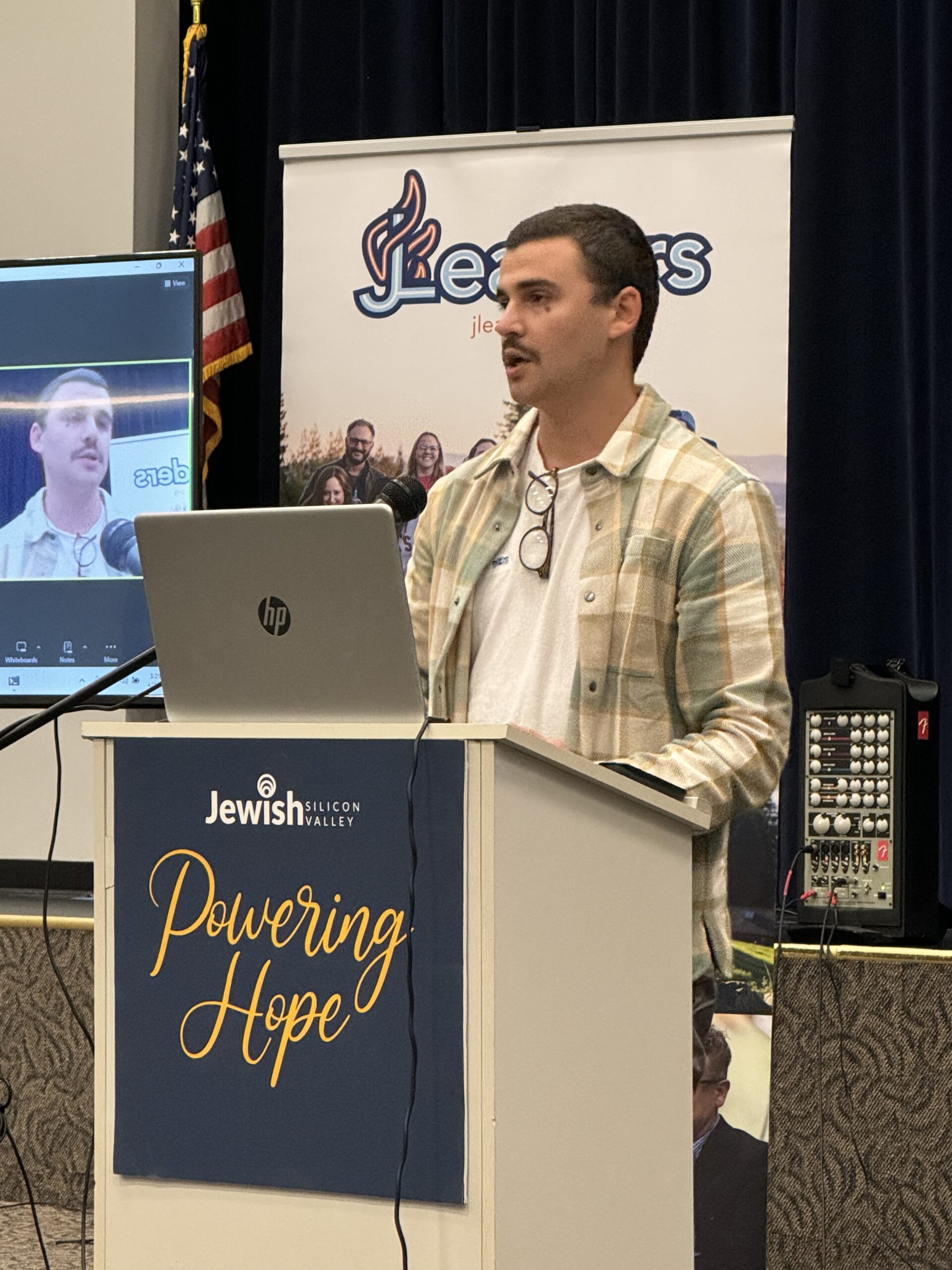
By Alex Bolotovsky, CEO of J Leaders
Parsha in a Nutshell
The Jewish people are now slaves in Egypt under a new, paranoid Pharaoh. Moses, an Egyptian prince turned fugitive, is minding his own business as a shepherd when he encounters a Burning Bush. G-d tells him to go back to Egypt, confront the most powerful man on earth, and lead the slaves to freedom. Moses spends the rest of the chapter trying to get out of it, claiming he’s not a good speaker and that he’s the wrong guy for the job. Eventually, he stops arguing and just goes.
Diving Deeper
Moses is basically the patron saint of imposter syndrome. He has five different excuses for why he’s a bad fit, but he misses the point: leadership isn’t a talent show. It starts with the “Burning Bush” moment—simply being the person who stops and pays attention when something is broken instead of scrolling past it. Moses didn’t have a perfect speech prepared, and he didn’t have a high-level strategy; he just had a sense of responsibility. What’s cool is that once he admits he can’t do it alone, he gets a partner in his brother, Aaron. It’s a reminder that you don’t need to be the “main character” who does everything. You just need to be the one who stays in the room when everyone else walks away. Capacity is built in the doing, not the planning.
Weekly Leadership Challenge
- Do it Scared: Identify one email you’ve been procrastinating on or one conversation you’ve been avoiding because you “don’t feel ready.” Send it today. Don’t wait for the confidence to hit—just hit send.
- Find your “Aaron”: If you’re struggling with a project, stop trying to grind it out solo. Reach out to a friend or peer who is good at the part you hate. Admitting you need a partner isn’t a failure; it’s a power move.